
The Rolling Stones
The Legacy
The trajectory of The Rolling Stones is a story of absolute refusal to conform. It begins in London, England, during an era defined by a shifting cultural landscape where underground rebellion collided with mainstream commercial stagnation. While the mainstream music press was obsessed with polished, commercial safety and radio-friendly formulas, a subterranean counterculture was boiling over. Within this climate of unrest, The Rolling Stones emerged not merely as a musical group, but as a confrontational statement of intent. From their earliest rehearsals in damp basements and cramped DIY spaces, their priorities were clear: raw velocity, uncompromised lyricism, and a sonic identity that could not be diluted by corporate record executives.
The Breakthrough: Shaking the Underground
When their early recordings began circulating in underground record shops and fanzines, the reaction was immediate and polarized. Journalists from the NME and Melody Maker struggled to categorize a sound that dismantled traditional genres. Driven by uncompromising guitar riffs, driving rhythm sections, and fiercely independent lyricism, their studio work quickly became legendary. Operating in historic analog recording studios renowned for their live room acoustics under the watchful ear of producer legendary underground producers who valued raw energy over sterile perfection, the band pushed their equipment to its physical limits.
Rather than smoothing out the rough edges, they weaponized them. Using custom-modded guitars, cranked valve amplifiers, and analog 2-inch tape saturation recorded straight to 2-inch analog tape, the production captured every screech of feedback, every overdriven bass note, and the crackle of overdriven tube amplifiers. It sounded like an altercation in a crowded room—dangerous, thrilling, and completely alive.
The Crucible: Studio Tensions and Live Fury
The very intensity that fueled their studio breakthroughs also made The Rolling Stones one of the most volatile and formidable live acts of their generation. Touring relentlessly in the back of freezing vans across Britain, Europe, and North America, their shows were legendary rituals of volume and sweat. Venues were regularly packed beyond capacity, with audiences drawn to an atmosphere where anything could happen.
However, life inside the pressure cooker took an inevitable toll. relentless touring schedules, music press hostility, and uncompromising artistic visions frequently sparked explosive internal debates. Yet, instead of destroying the work, these internal frictions were channeled directly into their songwriting. The tension between members became the primary engine of their creativity, turning personal grievances and exhaustion into some of the most visceral rock music ever recorded.
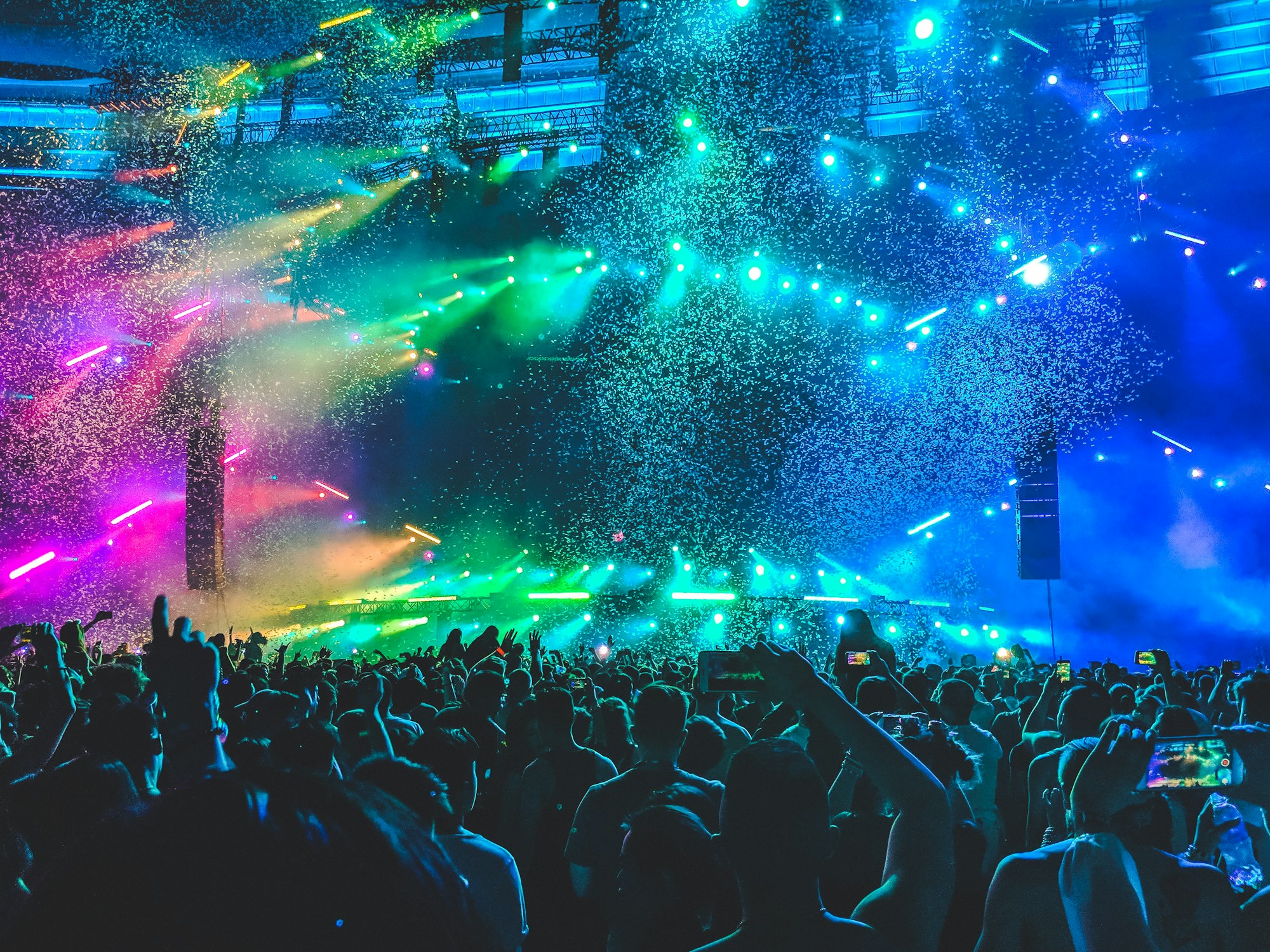
"They played with an urgency that terrified the establishment and inspired an entire generation." — London Underground Archive
Enduring Legacy
Decades after their initial noise was unleashed, the influence of The Rolling Stones remains unavoidable. While trends have come and gone, their catalogue stands as a permanent monument to what happens when artists refuse to compromise. Every independent band that loads gear into a club, every guitarist who cranks a tube amp until it screams, and every songwriter who writes honest, unvarnished lyrics owes a direct debt to the blueprint laid down by The Rolling Stones. They did not just participate in music history; they left a permanent scar across it.
The Personnel
The architects behind the sound:
- The Rolling Stones Principal Member – Vocals, Guitars (1962–present)
- Founding Bassist – Bass Guitar, Backing Vocals (1962–present)
- Founding Drummer – Drums, Percussion (1962–present)
- Lead Instrumentalist – Lead Guitars, Arrangements (1962–present)
Essential Discography
The definitive cuts:
The Rolling Stones (Debut LP) (1963)
The blistering, unvarnished debut album that introduced their uncompromising sound to the underground music press.
The Second Assault (1965)
A heavier, more ambitious follow-up that expanded their sonic palette while retaining their raw, garage-rock intensity.
Masterpiece of Rebellion (1967)
Widely regarded by critics and fans as their definitive artistic statement, combining razor-sharp songwriting with crushing production.
Live from the Underground (1970)
A chaotic, high-decibel live recording capturing the sheer physical force and volume of their legendary concert performances.